



Let’s be real — affording rent right now feels nearly impossible for a lot of people.
In fact, according to Investopedia, there isn’t a single U.S. state where someone earning minimum wage can comfortably afford a one-bedroom apartment.
That’s not just frustrating — it’s a wake-up call.
So what are people doing to make it work?
They’re getting creative. Really creative.
If you’ve found yourself scrolling through apartment listings wondering how anyone is paying these prices, you’re not alone — and you’re not out of options either.
Here are some alternative housing options people are turning to in today’s wild housing market.
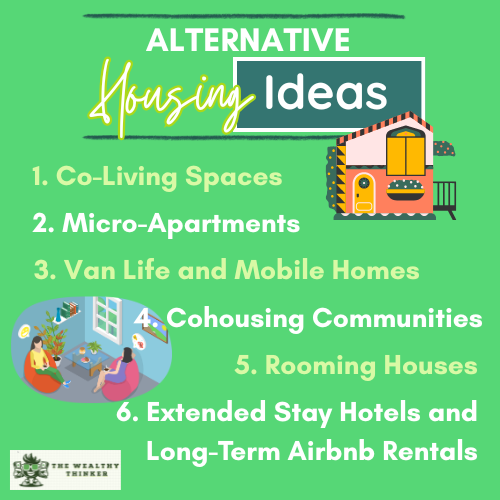
8 Alternative Housing Options for Today’s Living Conditions
1. Co-Living Spaces
What It Is: Co-living involves individuals renting private rooms within a shared property, combining personal space with communal areas like kitchens and living rooms. This setup fosters community and significantly reduces living costs.
Example: PadSplit is a co-living marketplace based in Atlanta, Georgia.
It offers furnished room rentals in single-family homes, including utilities and Wi-Fi, with rents ranging from $500 to $750 per month. This model is particularly aimed at working-class individuals earning around $30,000 annually.
In January 2024, PadSplit had expanded to over 10,000 co-living rooms across 18 U.S. cities, providing affordable housing solutions to more than 23,000 people.
Potential Savings: Considering that the average one-bedroom apartment in the U.S. costs approximately $1,558 per month, opting for a co-living space like PadSplit can save individuals over $1,000 monthly.
10 Unusual Housing Alternatives That Could Help Lower Your Expenses
2. Micro-Apartments
What It Is: Micro-apartments are compact living units, typically between 250 to 400 square feet, designed to maximize functionality in a small space. They often feature multifunctional furniture and are located in urban centers.
Example: Carmel Place in Manhattan, New York, is the city’s first micro-apartment building. Completed in 2016, it offers units that, despite their size, provide modern amenities and efficient design.
Residents benefit from living in prime locations at reduced costs.
Potential Savings: While rents vary, micro-apartments often cost less than traditional apartments in the same area. Additionally, their design promotes energy efficiency, leading to lower utility bills.
3. Van Life and Mobile Homes
What It Is: Some individuals choose to convert vans or buses into mobile homes, embracing a nomadic lifestyle that eliminates traditional housing costs.
This approach offers flexibility and adventure but requires significant adjustments.
Example: Alex Eaves transformed an old van into a tiny home using recycled materials for just £600 (approximately $800). Over nine months, he repurposed items like flooring from a doughnut shop and a sink made from a lobster pot. Alex has lived in this van for eight years, promoting sustainable living.
Potential Savings: By avoiding rent and mortgage payments, individuals can save thousands annually. However, costs like vehicle maintenance and campground fees should be considered.
4. Cohousing Communities
What It Is: Cohousing involves private homes clustered around shared spaces like kitchens and gardens, fostering community interaction while maintaining personal privacy.
Example: Muir Commons in Davis, California, completed in 1991, is the first new construction cohousing development in the U.S. It features private residences alongside shared facilities, promoting a collaborative living environment.
Potential Savings: Shared resources and communal facilities can lead to reduced individual expenses, though initial buy-in costs can be significant.
5. Rooming Houses
What It Is: Rooming houses offer private bedrooms with shared common areas like kitchens and bathrooms. They provide affordable housing, especially in urban areas.
Example: In cities like Seattle, micro-apartments and rooming houses are making a comeback to address affordable housing needs. These units, often under 400 square feet, offer essential amenities at lower costs, providing critical steps toward better living conditions for many residents.
Potential Savings: Renting a room in such establishments is typically cheaper than leasing an entire apartment, leading to substantial monthly savings.
Is Buying a Home a Good Investment? 6 Pros & 4 Reasons to Avoid It
6. Extended Stay Hotels and Long-Term Airbnb Rentals
What It Is: Some individuals opt for extended-stay hotels or negotiate long-term Airbnb rentals, benefiting from furnished spaces and included utilities without long-term lease commitments.
Example: In tourist-heavy cities, off-season long-term Airbnb rentals can be negotiated at reduced rates, offering flexibility and convenience.
Potential Savings: While sometimes comparable to traditional rents, the inclusion of utilities and furnishings can lead to overall cost reductions.
7. Living with Family or Friends
What It Is: Moving in with family or friends can provide temporary relief from housing costs, allowing individuals to save money or regroup financially.
Example: Many young adults, often referred to as “boomerang kids,” return to their parental homes post-college to mitigate expenses and pay off debts.
Potential Savings: Eliminating rent can lead to significant monthly savings, though it’s essential to contribute to household expenses and maintain clear communication.
8. Bartering for Rent or Property Management
What It Is: Offering services like property management, maintenance, or caretaking in exchange for reduced or free rent.
Example: Individuals with handyman skills might negotiate with landlords to perform regular maintenance in exchange for rent reductions.
Potential Savings: Depending on the agreement, this can lead to partial or complete elimination of rent costs.
Are You Considering Alternative Housing Options?
The traditional housing market poses challenges for many, but alternative living arrangements offer viable solutions.
By exploring options like co-living, micro-apartments, or cohousing communities, individuals can find affordable and fulfilling living situations.
It’s essential to assess personal needs, conduct thorough research, and remain open to unconventional solutions in today’s dynamic housing landscape.