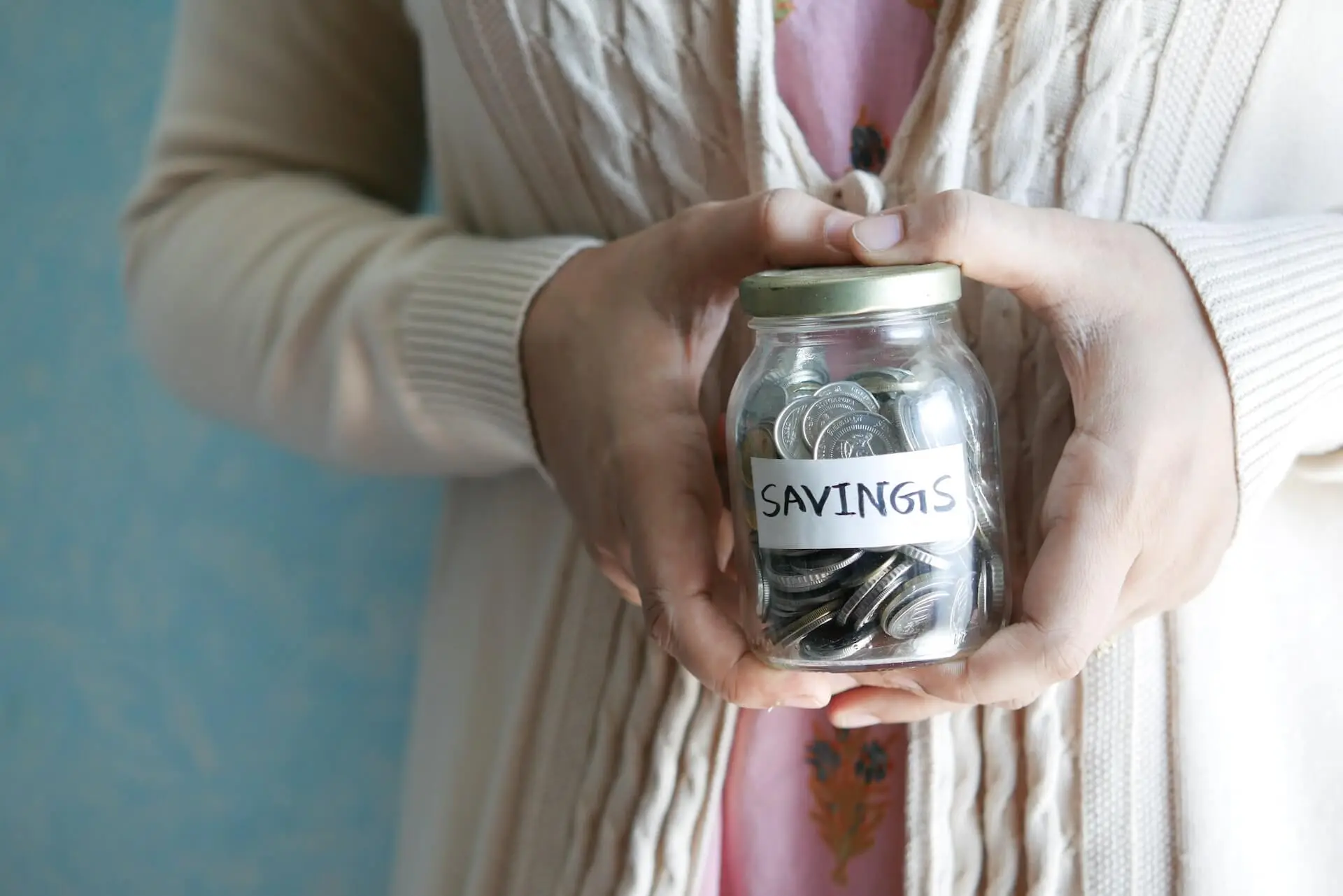



Have you ever wondered how much you could save if you hit pause on non-essential spending?
A no-spend challenge is the ultimate way to:
- test your financial discipline
- cut back on unnecessary expenses
- jumpstart better money habits
This isn’t about cutting out spending entirely – it’s about dramatically reducing non-essential spending for a set period.
By sticking to a bare-bones budget and focusing only on the essentials, you’ll uncover just how much you’re capable of saving.
A spending freeze can be a game-changer, whether you’re looking to:
- pay off debt
- recover from overspending
- challenge yourself to do more with less
In this article, we’ll walk you through everything you need to know to successfully complete a no-spend challenge, from setting rules and tracking your progress to staying motivated when temptation strikes.
Ready to rethink your spending habits and take control of your finances?

What is a No-Spend Challenge?
A no-spend challenge, as the name suggests, is a period of dramatically reduced spending.
It doesn’t suggest not spending at all. (Your utility company may have a problem with that.)
Rather, it means you completely eliminate non-essential spending for a set period. For example, you don’t spend anything at all except for a small, strict budget for bare essentials.
As an example, you have $15 to spend on food per day and you set aside the money needed to pay for things like rent, transportation, and bills before the challenge starts. Other than that, you don’t spend money on anything else.
By no discretionary spending, we mean:
- No food beyond your budget
- Not buying anything at a convenience store
- No buying fast food
- No driving your car except between home and work (no unnecessary gas use)
- Using public transportation whenever driving isn’t completely necessary
- No other spending whatsoever
Why Do a No Spend Challenge?
Doing a no-spend challenge is seldom actually necessary.
However, it can be one of the more challenging but rewarding ways to save money or get your finances under control. The most common reasons to do a no-spend challenge are:
- Dramatically reducing expenses to pay off debt
- A kind of “boot camp” to force yourself to exercise better financial habits
- Recovering from a period of excessive spending (this challenge is great after the holidays!)
For some people, there doesn’t need to be a pressing reason for a no-spend challenge. You don’t really need a reason, either. The results of a successfully completed challenge are beneficial for anyone at any time.
If you want to challenge yourself and end up spending less and possibly saving more for any reason, then the challenge is definitely worth it.
How Do I Do a Spending Freeze?
A no-spend challenge requires a few steps.
1. Preparing (Saving Money Rules)
The first step is the planning phase, during which you set the rules.
But before that, start measuring your typical spending before starting the challenge. (This way, you’ll have a measuring stick to go off of.)
2-4 weeks ahead of your no-spend challenge, record all of your spending. You will use this information at the end of the challenge.
First, list out what you will need to spend money on. Try to avoid working backward; writing down what you can’t buy leaves a lot of wiggle room to cheat yourself out of the benefits of the challenge. Remember to stick with the necessities alone.
For the spending you can’t avoid (Like mortgage payments, food, etc.), make sure you set a strict budget. The only exception is necessary but unpredictable spending, such as utilities. However, using less electricity, water, and gas can be an added layer to the challenge!
2. Track Your Progress
It will be helpful to constantly remind yourself of why you’re going through the challenge. (Plus, seeing how you’re doing will help you tweak things and be inspired by your success.)
When you track your limited spending, you’re positively reinforcing your behaviors. You also gain accountability to yourself, forcing yourself to assess your own behavior.
You can simply write down all your spending on grid paper or type it into an excel sheet. If you prefer, there are apps designed specifically for challenges like these, like Stop Impulse, that make the process much easier.
3. Keep It Up
Temptation will likely kick in at some point.
You can make the challenge easier on yourself by applying a few changes to your routine.
Avoid regular habits you used to partake in that make the no-spend challenge more difficult.
- Leave your credit card in a drawer at home.
- Don’t go to the mall.
- Do whatever it takes to make the challenge easier to keep up!
4. Assess Your Results
This is the part that makes a no-spend challenge worth it.
When you complete the challenge successfully, the best part is measuring how much money you managed to save. Compare your spending during the no-spend challenge to the results you tracked before the challenge started.
Hopefully, this will provide you with the encouragement you need to reach a moderate budget and balance your desires and financial discipline.
Spending Freeze Tips
Try these no-spend challenge ideas to make the challenge as realistic as possible.
- Prepare yourself. The initial assessment and planning stages aren’t for fun. No-spend challenges can be fun (in a strange way), but you’ll definitely want to prepare.
- Choose a reasonable timeframe. If it’s your first time, it’s best to start with a shorter period. One week is a good start. If it goes well, you can become more ambitious or simply continue the challenge shortly after. But being too ambitious at the start can harm your chances of completing the challenge.
- Get creative about entertainment. No-spend challenges can be a lot of fun, if you make them fun. Finding free or very cheap ways to entertain yourself can be exciting. Examples include pulling out old board game sets or going for a jog.
- Be accountable to yourself. You need to systematize your accountability to yourself alone to make a spending freeze worthwhile.
13 Simple Ways to Save Money in Your Everyday Life
Are You Ready to Do a Spending Freeze Challenge?
A spending freeze is a difficult activity to do, but one that can:
- Set a current string of financial hardship in a better direction
- Establish better financial habits
- Show you what you’re capable of
- Fast-track saving money for any purpose
If you’d like to achieve any of the above, starting conservatively with a short no-spend challenge may be a great option.
If it works well? Double down on your next challenge. By then you already know how to save money fast or how to shed debt quickly.
Editor’s note: This article was originally published Oct 30, 2023 and has been updated to improve reader experience.